Daddy Bunny: A Display Font That Brings Your Creations to Life
There’s something magical about the right font. It doesn’t just fill a space—it tells a story, sets the tone, and invites people to connect with your work. When I first laid eyes on Daddy Bunny, I knew it was going to become a staple in my creative toolkit. This display font is more than just pretty; it has a warmth and character that make it feel like part of the design itself.
First Impressions: Designing a Candle Label
I was recently working on a new line of soy candles for my shop. The scent combinations were cozy and inviting—vanilla bean, cedarwood, and lavender. But the labels felt flat until I tried Daddy Bunny. The soft curves and playful strokes gave each candle a sense of charm and care. Suddenly, the product wasn’t just a candle—it was an experience. That’s the kind of impact a great typeface can have.
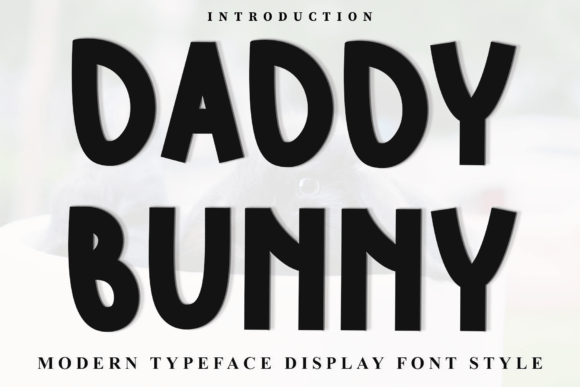
The beauty of Daddy Bunny lies in its balance. It’s bold enough to stand out but gentle enough to feel approachable. Its unique personality makes it perfect for handmade items where you want to convey love, attention, and creativity through every detail.
Bringing Personality to Stationery and Invitations
A few weeks later, I had a request to design birthday invitations for a client’s daughter’s 8th birthday party. I needed something whimsical yet elegant. After experimenting with several fonts, Daddy Bunny was the one that captured the essence of childhood joy and celebration. I paired it with a simple sans serif for the supporting text, and the contrast made everything pop. The names and titles stood out beautifully, while the rest remained clean and easy to read.
Whether you’re designing greeting cards, wedding invitations, or seasonal printables, this font adds a touch of personality without overpowering the message. It works especially well in editorial designs like planner pages or quote cards, where visual appeal and legibility are both important.
From Mockups to Merchandise
One of the things I love most about Daddy Bunny is how adaptable it is across different formats. I’ve used it for digital mockups on my website and also for physical products like mugs and tote bags. On digital previews, it gives potential buyers a clear idea of the style they can expect. When printed on fabric or ceramic, it retains its charm, thanks to its high-contrast strokes and solid letterforms.
For small stickers or tags, readability is key. Daddy Bunny handles smaller sizes surprisingly well, especially when you choose a lighter weight or adjust spacing slightly. I’ve tested it on holiday tags and boutique packaging, and it always looks crisp and intentional.
Crafting Brand Consistency with Typography
As a handmade seller, brand identity is everything. Your typography is one of the strongest tools you have to build recognition and trust. Daddy Bunny helps me stay consistent across all my shop materials—from product labels to social media graphics. Using the same font family throughout creates a cohesive look that customers start to associate with my brand.
I often use it as the headline font on packaging boxes, paired with a cleaner secondary font for addresses and descriptions. The result? A professional finish that still feels personal and crafted by hand. Customers don’t just see a product; they see a story, and Daddy Bunny plays a big role in telling it.
Seasonal Projects and Shop Materials
With the holidays coming up, I’m preparing seasonal designs. Daddy Bunny has been a go-to choice for farmhouse-style Christmas signs, Thanksgiving greeting cards, and even holiday printable templates. The font’s soft edges and decorative flourishes give these items a warm, nostalgic feel that’s perfect for the season.
- Christmas Tree Ornaments: I designed custom SVGs using Daddy Bunny for vinyl cutting. The font looked stunning on acrylic and wood surfaces alike.
- Wall Art: For a set of printable wall art, Daddy Bunny added a modern twist to traditional quotes. It worked wonders on large format prints too.
- Boutique Packaging: Used for gift box tags and ribbon bows, the font elevated the presentation and gave a sense of quality.
What I appreciate most is that it doesn’t shout “look at me!” instead, it whispers, “this is special.” That subtle confidence makes it ideal for anything from a minimalist label to a vibrant sign.
Font Pairing Tips for Creative Projects
When using Daddy Bunny in a design project, pairing it with another complementary font is essential. Here are a few combinations I’ve found effective:
- Simple Serif: For wedding invitations or elegant cards, pairing Daddy Bunny with a refined serif like Playfair Display adds a timeless elegance.
- Clean Sans Serif: If you're designing product listings or digital downloads, a modern sans serif such as Lato or Open Sans keeps the layout balanced.
- Handwritten Script: For a more organic look, like on planners or journal inserts, try combining it with a script font like Great Vibes or Allura.
- Bold Display Font: In some cases, especially with signage or logos, pairing Daddy Bunny with a heavier display font can create a strong visual hierarchy.
Each pairing highlights the strengths of Daddy Bunny while ensuring the rest of your content remains readable and purposeful. It's not just about aesthetics—it’s about function too.
Designing with Purpose: Readability and Practicality
While Daddy Bunny is undeniably beautiful, I always test it for readability before finalizing a design. For instance, when creating product tags for a boutique collaboration, I found that using the regular weight on white backgrounds with a muted border helped maintain clarity without losing the font’s charm.
On Cricut or Silhouette projects, I recommend using the outlined versions or checking for glyph issues if you're working with intricate details. The font supports a wide range of characters, including ligatures and swashes, which can add extra flair to your designs—but only if they suit the context.
I also check the included styles and alternates before committing to a full batch of stickers or printables. Sometimes a slight variation in a letterform can make all the difference in how a design feels. And because Daddy Bunny is a commercial font, I always review the licensing terms to ensure I’m within bounds when selling physical or digital goods.
Creating Emotional Appeal Through Typography
Fonts do more than communicate—they evoke emotions. Daddy Bunny brings a sense of warmth and playfulness that’s hard to replicate. Whether I'm designing a personalized mug for a customer or a thank-you card for a recent order, the font helps me express sincerity and creativity.
In my experience, the emotional connection starts with the first glance. A beautifully typeset name or title can be the hook that draws someone into your shop. And once they see what you're capable of with Daddy Bunny, they’re more likely to explore other products that share the same thoughtful design language.
Testing and Refining: A Maker’s Process
Recently, I was working on a new line of planner inserts. I wanted to include motivational quotes and date headers. After testing multiple fonts, Daddy Bunny became the clear winner. It added a soft, uplifting mood to the pages, making them feel more personal and encouraging. I even created a layered mockup with watercolor textures and vintage paper to match the font’s aesthetic.
Here’s how I approached it:
- Selected Daddy Bunny for main headings and titles.
- Used a basic sans serif for body text and dates.
- Adjusted tracking for better spacing on curved lines.
- Test-printed a sample sheet to check ink flow and cut accuracy.
- Ensured multilingual support was covered since I plan to offer international options.
This process took time, but the end result was worth it. The font didn’t just fit the theme—it enhanced it.
Why Choose Daddy Bunny for Your Handmade Shop?
If you're looking for a font that bridges the gap between casual charm and polished design, Daddy Bunny is a great option. It's versatile enough for both short phrases and longer displays, though I find it shines brightest in headlines, logos, and decorative elements.
Some of the best uses I’ve discovered so far include:
- Labels for handmade soap and candles
- Wedding welcome boards and seating charts
- Printable wall art and quote cards
- Product tags for boutique gifts
- Social media graphics and web banners
- Merchandise like mugs, shirts, and tote bags
- Editorial designs such as planner spreads or calendars
It’s also fantastic for digital downloads. When previewing a template, the font gives users a clear idea of the finished product. And since it includes various file formats like TTF, OTF, and WOFF, it works seamlessly across platforms.
Making the Most of Design Assets
One thing I’ve learned is that fonts are just one piece of the puzzle. To truly bring Daddy Bunny to life, I pair it with other design assets—textures, colors, and illustrations that enhance the overall mood. For example, using muted pastels and hand-drawn elements with this font gives a soft, modern farmhouse vibe. On the flip side, brighter hues and geometric patterns can make it feel more contemporary and fun.
When building a collection of digital templates or printables, consistency is crucial. Using Daddy Bunny across all your titles and headers helps reinforce your brand identity. It becomes a signature element that customers come to recognize and appreciate.
Final Thoughts on Bringing Daddy Bunny to Life
Typography is one of the most powerful tools we have as creators. It shapes how our products are perceived and remembered. With Daddy Bunny, I’ve seen firsthand how a single font can transform a simple label into a meaningful statement or elevate a plain invitation into something memorable.
Its soft yet distinctive strokes make it a standout among display fonts. Whether you're a seasoned Etsy seller or just starting out with a few handmade creations, this typeface offers the versatility and charm needed to craft engaging designs. It’s not just about making things look good—it’s about making them feel good too.
So the next time you're designing a new product, consider how Daddy Bunny might help tell your story. You might just find, like I did, that it becomes an essential part of your creative voice.