Dog and Bone Font
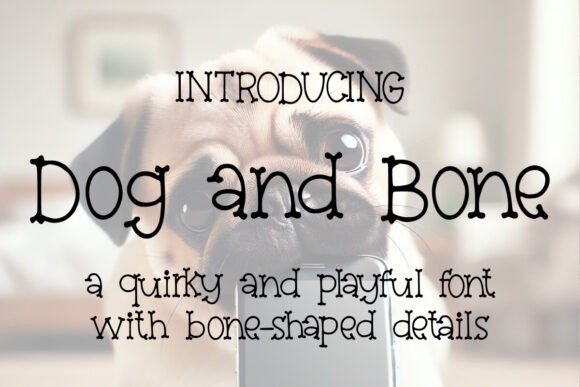
Dog and Bone is a decorative typeface that brings a playful energy to digital design. Its unique character and whimsical style make it ideal for web projects that need a personality-driven visual identity. As a web designer, I appreciate fonts that can elevate a layout without sacrificing clarity or usability.
The font’s design features irregular shapes, bold strokes, and a slightly uneven baseline that gives it a handcrafted feel. This makes it perfect for creative branding, social media graphics, and eye-catching headlines. While it’s not meant for body text, its expressive nature shines in headers, logos, and decorative accents.
Using Dog and Bone in Web Design
When working on landing pages, I often use Dog and Bone for hero section titles. Its distinct look helps create immediate visual interest and sets the tone for the rest of the page. For example, a boutique online store might use it for a “Welcome to Our World” banner to convey fun and approachability.
In call-to-action buttons, Dog and Bone adds a sense of excitement. However, it’s important to keep the text short and use it sparingly. A button like “Shop Now” in this font can stand out without overwhelming the user. It works best when paired with simpler, more readable fonts for surrounding content.
For blog headers or course pages, Dog and Bone can be used to highlight key sections. A coaching website might use it for a heading like “Transform Your Life” to grab attention while maintaining a professional edge. The font’s quirky personality pairs well with clean, modern layouts.
Readability and Visual Hierarchy
While Dog and Bone is visually engaging, it’s not the best choice for long paragraphs. Its decorative elements can reduce readability, especially on smaller screens or in low-contrast environments. When using it for headings, I ensure there’s enough spacing between letters and lines to maintain legibility.
On mobile devices, I avoid using Dog and Bone for anything larger than 24px. Smaller sizes can become too busy and hard to read. For dark backgrounds, I add a subtle drop shadow to improve contrast. On light backgrounds, I keep the font size consistent and avoid heavy shadows that might distract from the message.
When placing Dog and Bone over images or gradients, I use a semi-transparent overlay to ensure the text remains clear. This technique helps maintain visual hierarchy without compromising the font’s charm.
Font Pairing and Brand Identity
Pairing Dog and Bone with a sans serif font like Open Sans or Lato creates a balanced design. The simplicity of the sans serif complements the decorative nature of Dog and Bone, making it easier to read while still allowing the font to shine in key areas.
For editorial designs or more traditional branding, pairing Dog and Bone with a serif font like Georgia or Playfair Display can add depth. This combination works well for blogs, portfolios, or brand kits that require both creativity and professionalism.
When building a brand identity, I recommend using Dog and Bone as a signature font. It can appear in logos, social media handles, or website footers to reinforce brand personality. However, I always check if the font includes multiple weights or styles to support different design needs.
Practical Considerations for Web Use
Before using Dog and Bone on a website, I verify that it’s available as a webfont. This ensures smooth rendering across all devices and browsers. If the font is only available in desktop formats, I consider alternatives or contact the vendor for web licensing options.
Commercial font licensing is another important factor. I make sure that the license covers website use, client projects, and any online stores or templates that might incorporate the font. This avoids potential legal issues down the line.
For multilingual projects, I check if Dog and Bone supports the required languages. Some decorative fonts may lack extended character sets, which could limit their usefulness in international contexts.
Real-World Applications
A creative portfolio site might use Dog and Bone for project titles, adding a personal touch to each section. A product landing page could feature the font in a headline like “Discover Something New” to draw users in. In a digital brand kit, it can appear in logo variations, social media banners, and email signatures.
For a coaching website, Dog and Bone can be used in section headings to guide users through different content areas. A course sales page might use it for a main title like “Start Your Journey Today,” creating an inviting and energetic atmosphere.
Whether designing for a pet-related business or a general creative brand, Dog and Bone offers a distinctive way to express personality. Its ability to blend fun with functionality makes it a valuable addition to any digital toolkit.