Red Band Font: Bold Branding for Small Businesses
It started with a simple request from a customer: "Can you make the label on my candle look more professional?" I had been selling handmade candles from my home studio for a few years, and while the products were great, the branding felt a little... off. The labels were okay, but they didn’t reflect the quality of the product or the personality of the brand. That’s when I discovered Red Band Typeface.
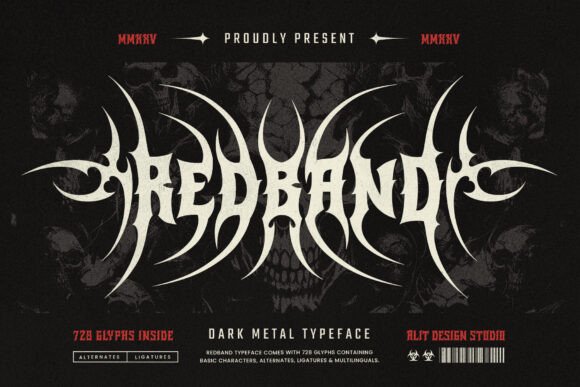
Red Band is a Blackletter font that exudes power and intensity. It has this raw energy that makes it perfect for businesses looking to stand out. Think of it as the visual equivalent of a strong, confident voice. It’s not subtle, but that’s exactly what makes it so effective for certain applications.
How Red Band Transformed My Brand
After downloading Red Band, I started experimenting. I redesigned the label on my most popular candle, the "Midnight Ember." I used Red Band for the main text, paired it with a clean sans serif for the ingredients and scent notes, and the result was stunning. The label looked cohesive, professional, and immediately caught the eye of customers.
I also used Red Band for my social media graphics. A post about a new seasonal scent featured the font in the headline, and the engagement rate went up. People noticed the design more, and it made the brand feel more intentional.
One of the best things about Red Band is how versatile it is. It works well for headlines, logos, packaging titles, and even decorative accents. It’s not ideal for long paragraphs, but for short, impactful text, it’s unbeatable.
Real-World Applications for Red Band
For small businesses, typography isn’t just about aesthetics—it’s about communication. The right font can make a huge difference in how your brand is perceived. Here are some practical ways Red Band can be used:
- Logo Design: Red Band adds a strong, memorable presence to any logo, especially for brands in the arts, music, or lifestyle niches.
- Packaging Labels: Whether it's a skincare product, candle, or handmade item, Red Band gives labels a premium, eye-catching look.
- Business Cards: A bold name in Red Band can make a lasting impression during networking events or client meetings.
- Menus and Flyers: For cafes, bakeries, or boutique shops, Red Band adds a unique touch to printed materials without overwhelming the reader.
- Social Media Graphics: Use it for headlines, captions, or promotional banners to create visually striking content.
When using Red Band, keep in mind that it’s best suited for display purposes rather than body text. For smaller labels or mobile screens, consider using a lighter weight or adjusting the size to ensure readability.
Pairing Red Band with Other Fonts
Font pairing is key to creating a balanced design. Red Band pairs well with clean, modern fonts that provide contrast. For example:
- Sans Serif: A simple sans serif like Helvetica or Montserrat helps balance the heaviness of Red Band.
- Serif: An elegant serif like Georgia or Playfair Display can add sophistication when used for subheadings or descriptions.
- Script: A script font like Great Vibes or Lobster can create an artistic, handwritten feel when used sparingly.
The goal is to let Red Band shine without competing with other elements. Use it for headlines, logos, or key phrases, and keep supporting text in a simpler font.
Why Typography Matters for Small Businesses
Typography affects everything—first impressions, brand perception, and even customer trust. A well-chosen font can make a business look more polished and professional. It also helps with consistency across all brand materials, which is crucial for building recognition.
When I first started, I used whatever font came with my design software. It wasn’t bad, but it wasn’t special either. Once I switched to Red Band, the entire look of my brand changed. It felt more intentional, more authentic.
Another benefit of Red Band is its ability to convey mood. Its aggressive, bold style works well for brands that want to project strength, creativity, or rebellion. It’s not for every business, but for those that fit, it’s a game-changer.
What to Consider Before Using Red Band
Before jumping into using Red Band, there are a few things to keep in mind:
- Styles and Weights: Check if the font includes multiple weights or styles to give you more flexibility in design.
- File Formats: Make sure the font is available in the formats you need, such as OTF or TTF.
- Alternates and Ligatures: Some fonts include alternate characters or ligatures that can enhance the design.
- Commercial Licensing: If you’re using the font for client work or commercial products, confirm the licensing terms to avoid legal issues.
- Language Support: Ensure the font supports the languages you’ll be using, especially if you’re targeting international audiences.
These details might seem minor, but they can have a big impact on how the font performs in different contexts.
As my business grew, I realized that typography wasn’t just about making things look good—it was about making them feel right. Red Band helped me find that balance. It gave my brand a stronger identity, a more consistent look, and a clearer voice.
If you're looking to elevate your brand visuals, consider giving Red Band a try. It might just be the font that transforms your business from ordinary to unforgettable.